Planning a spiritual journey through India’s most sacred cities becomes more meaningful as we grow older, but it also requires more thoughtful preparation. The Varanasi–Ayodhya-Prayagraj circuit represents the heart of Hindu pilgrimage tradition, offering profound spiritual experiences that many seniors consider the fulfillment of lifelong aspirations. How do you design a tour package that honors both the spiritual significance of these destinations and the practical needs of elderly travelers?
Senior Citizen Tour Package: Varanasi Ayodhya Prayagraj ,This comprehensive guide explores what makes an ideal senior citizen tour package for this sacred triangle, addressing everything from comfortable transportation and accessible accommodations to pacing that allows for genuine spiritual connection without physical exhaustion. Whether you’re planning for yourself, your parents, or organizing group tours for elderly pilgrims, understanding these considerations transforms a potentially stressful journey into a deeply rewarding experience.
Understanding the Sacred Triangle
Senior Citizen Tour Package: Varanasi Ayodhya Prayagraj , The Varanasi-Ayodhya-Prayagraj circuit forms a geographical and spiritual triangle in Uttar Pradesh, each city offering unique significance. Varanasi, the eternal city on the Ganges, represents Shiva’s domain and is considered the holiest place to die. Ayodhya, Lord Ram’s birthplace, embodies dharma and righteousness. Prayagraj, at the confluence of three sacred rivers, offers liberation through holy bathing.
For senior citizens, this pilgrimage often represents more than tourism—it’s a spiritual completion, a return to roots, or the fulfillment of promises made to parents or deities. The emotional and religious weight makes proper planning essential. These aren’t destinations to rush through; they require time for contemplation, ritual participation, and absorption of sacred atmospheres.
The distances are manageable: Varanasi to Ayodhya is approximately 200 kilometers (4-5 hours by road), Ayodhya to Prayagraj is about 165 kilometers (3-4 hours), and Prayagraj back to Varanasi is roughly 120 kilometers (2.5-3 hours). This compact geography allows comprehensive touring in 5-7 days without exhausting travel schedules.
Ideal Duration and Itinerary Structure
Recommended duration: 6-7 days minimum for comfortable pacing.
Senior Citizen Tour Package: Varanasi Ayodhya Prayagraj , While some tour operators offer compressed 4-5 day packages, these typically rush seniors through experiences without adequate rest. A week allows proper time for each city plus travel days that don’t begin at 5 AM or end at midnight.
Day-by-day structure:
Day 1: Arrival in Varanasi
- Airport/railway pickup with private vehicle
- Check-in to hotel with rest time
- Gentle evening orientation walk or rooftop view of ghats
- Early dinner and sleep preparation for next morning’s activities
Day 2: Varanasi Morning and Temples
- Early morning boat ride on Ganges (sunrise viewing)
- Return to hotel for breakfast and rest
- Late morning visit to Kashi Vishwanath Temple (after crowds thin)
- Afternoon rest period
- Evening Ganga Aarti viewing from boat or reserved seating
Day 3: Varanasi Exploration and Travel to Ayodhya
- Morning visit to Sarnath (Buddhist sites, peaceful atmosphere)
- Return to hotel for checkout and lunch
- Afternoon drive to Ayodhya (4-5 hours with rest stops)
- Check-in and early dinner in Ayodhya
Day 4: Ayodhya Darshan
- Morning Ram Mandir darshan (early to avoid heat and crowds)
- Return to hotel for breakfast and rest
- Afternoon visits to Hanuman Garhi and Kanak Bhawan
- Evening at Sarayu ghats for peaceful atmosphere
Day 5: Ayodhya to Prayagraj
- Leisurely morning, any remaining Ayodhya sites
- Mid-morning drive to Prayagraj (3-4 hours)
- Check-in with rest time
- Evening visit to Triveni Sangam for orientation
Day 6: Prayagraj Sacred Sites
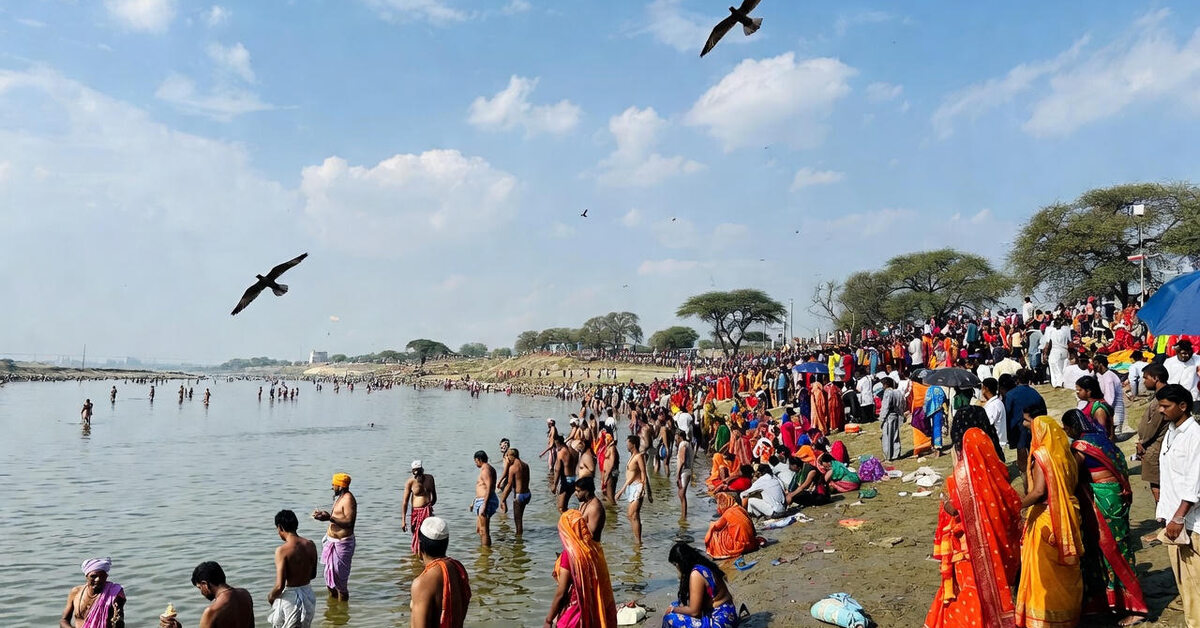
- Early morning Sangam bathing (optional, based on individual comfort)
- Return to hotel for breakfast and extensive rest
- Afternoon temple visits (Hanuman Mandir, Alopi Devi)
- Evening relaxation at hotel
Day 7: Departure
- Morning at leisure, packing
- Visit Anand Bhavan or local market if energy permits
- Departure to railway station/airport for onward journey
Senior Citizen Tour Package: Varanasi Ayodhya Prayagraj , This structure builds in critical rest periods, avoids back-to-back intensive days, and allows flexibility if seniors need additional rest.
Transportation Considerations
Transportation choices significantly impact senior comfort and enjoyment:
Best option: Private air-conditioned vehicle with experienced driver
Why this matters:
- Door-to-door convenience eliminates walking with luggage
- Climate control manages heat and humidity
- Stops can be made whenever needed (bathroom, refreshments, rest)
- Luggage stays secure and accessible
- Medical emergencies allow faster response
- Privacy and dignity for elderly passengers
Vehicle recommendations:
- Toyota Innova or similar: Comfortable for 4-6 passengers with luggage
- Tempo Traveller: Better for groups of 8-12 with more space
- Ensure vehicles are relatively new (better suspension, AC reliability)
Driver qualifications:
- Experience with elderly passengers (patient, helpful)
- Knowledge of all three cities
- Basic English communication (if travelers don’t speak Hindi)
- Clean driving record and defensive driving skills
- Flexibility with timing and stops
Alternative: Train for main segments, cars for local transport
Some packages use trains for longer segments (Varanasi-Ayodhya-Prayagraj) with AC chair car or sleeper class, then private vehicles for local sightseeing. This works if:
- Travelers are comfortable with railway stations (crowded, stairs)
- Booking confirms accessible berths/seats
- Assistance arranged for boarding/deboarding with luggage
- Stations have wheelchair access if needed
What to avoid:
- Budget buses (uncomfortable, no stops, poor suspension)
- Shared jeeps or auto-rickshaws between cities
- Self-driving (stressful for elderly in unfamiliar traffic)
- Night travel unless absolutely necessary
Accommodation Standards
Hotel selection makes or breaks senior citizen tours. Essential requirements:
Location priorities:
- Reasonably close to main sites (minimizes daily travel)
- Quiet area for good sleep
- Safe neighborhood
- Easy vehicle access (not in narrow lanes requiring walking)
Room requirements:
- Ground floor or reliable elevator access
- Attached bathroom with Western toilet
- Hot water 24/7 (not just scheduled hours)
- Comfortable beds (not too soft, not too hard)
- Adequate lighting (many hotels are poorly lit)
- Working air conditioning and heating
- Power backup (outages still occur)
Hotel facilities:
- In-house restaurant (reducing need for evening outings)
- Familiar food options (not just local cuisine)
- Medical assistance contact
- Reception staff available 24/7
- Clean, maintained property
Recommended hotel categories:
Varanasi:
- Radisson Varanasi: Reliable chain, good facilities
- Rivatas by Ideal: Good location, comfortable rooms
- Hotel Surya or similar 3-star properties with verifiable reviews
Ayodhya:
- Hotels in Civil Lines area (Ram Bhawan, Sita Palace, others)
- Newer properties post-Ram Mandir development
- Government-run accommodations (UP Tourism properties)
Prayagraj:
- Hotels near Civil Lines (Milan Palace, Hotel Yatrik, etc.)
- Properties with Sangam proximity but not in noisy immediate areas
- Reliable chains if available
What to avoid:
- Heritage properties with charm but no elevators
- Budget guesthouses with shared facilities
- Hotels in congested old city lanes
- Properties with only Indian toilet options
- Accommodations requiring significant daily commutes
Health and Safety Protocols
Medical preparedness is crucial for senior tours:
Pre-tour health check:
- Medical clearance from personal physician
- Review of fitness for walking, climbing stairs, weather exposure
- Medication review ensuring adequate supply plus extras
- Understanding of nearest medical facilities in each city
Daily health management:
- Morning health checks (blood pressure if needed)
- Hydration monitoring (elderly dehydrate easily)
- Regular meal timing (not skipping breakfast)
- Afternoon rest periods (non-negotiable)
- Evening medication reminders
- Sleep schedule maintenance
Medical kit essentials:
- All prescription medications (double the expected need)
- Prescription copies (in case of loss)
- Common medications: pain relievers, antacids, anti-diarrheal
- First aid basics: bandages, antiseptic, thermometer
- Personal medical devices (BP monitor, glucose meter if diabetic)
- Doctor’s contact information
- Travel insurance details with emergency numbers
Food safety protocols:
- Bottled water only (verify seal integrity)
- Avoid street food (tempting but risky)
- Choose restaurants carefully (hotel dining safest)
- Ensure food is freshly cooked and hot
- Avoid raw vegetables and salads
- Prefer simple preparations over spicy/rich foods
Emergency protocols:
- Tour manager/guide carries hospital contact information
- Vehicle always accessible for medical transport
- Clear communication plan if group members need help
- Travel insurance covering medical evacuation if serious
- Family members informed of itinerary and contact numbers
Spiritual Experience Optimization
Beyond logistics, tours should facilitate meaningful spiritual engagement:
Ganga Aarti experiences:
- Reserved boat positioning (avoid crowded ghat-side standing)
- Comfortable seating arrangements
- Adequate viewing time without rushing
- Explanation of aarti significance and rituals
- Optional participation (offering diyas)
Temple darshan protocols:
- Early timing to avoid peak crowds
- Wheelchair or walking support if needed
- Priority darshan arrangements where available (VIP access at some temples)
- Patient guides explaining temple history and significance
- Adequate time for personal prayer and contemplation
Sacred bathing:
- Optional, never mandatory
- Safe access points with steps and railings
- Private changing facilities
- Assistance available if needed
- Respect for those who choose not to bathe
Ritual participation:
- Guidance on appropriate offerings
- Explanation of puja procedures
- Priests arranged for specific rituals if desired
- Respectful photography policies
- Connection between actions and their spiritual meanings
Contemplative time:
- Unscheduled periods for personal reflection
- Access to peaceful ghats or temple courtyards
- Flexibility to skip activities if someone wants quiet time
- Recognition that spiritual experiences are personal
Dietary Accommodations
Food matters enormously for senior comfort and health:
Safe eating strategies:
- Primarily hotel restaurant dining
- Simple, familiar preparations (dal, rice, roti, vegetables)
- Avoiding excessive spice or rich gravies
- Fresh, hot food (not buffet items sitting at room temperature)
- Familiar South Indian options (often lighter and safer)
Dietary accommodations:
- Vegetarian (standard in these pilgrimage cities)
- Low sodium options (for heart/BP conditions)
- Diabetic-friendly choices (limited sugar, complex carbs)
- Soft foods if chewing difficulties exist
- Multiple small meals vs. three large ones
Hydration:
- Bottled water constantly available
- Limit caffeine (dehydrating)
- Tender coconut water (safe, hydrating, available locally)
- Avoid heavy dairy in hot weather
- Electrolyte solutions if sweating heavily
Special considerations:
- Food allergies communicated to restaurants in advance
- Jain dietary requirements (no onion/garlic)
- Swallowing difficulties requiring specific textures
- Cultural preferences (some communities have specific restrictions)
Group Size and Dynamics
Ideal group composition affects experience quality:
Optimal group size: 6-12 seniors
Why this works:
- Small enough for personalized attention
- Large enough for cost efficiency
- Manageable for single tour manager/guide
- Social interaction without overwhelming crowds
- Flexible enough to accommodate varying paces
Group composition considerations:
- Similar age ranges (70-80 year-olds have different needs than 60-year-olds)
- Comparable mobility levels (mixing wheelchair users with vigorous walkers creates challenges)
- Shared language for communication and bonding
- Compatible spiritual approaches (deeply devout vs. cultural tourists)
Solo vs. group tours:
Group advantages:
- Cost sharing (transportation, guide fees)
- Social companionship
- Shared experiences create bonding
- Safety in numbers
- Built-in support if someone needs help
Private tour advantages:
- Complete flexibility in pacing
- Customization to specific interests
- Privacy and dignity
- No pressure to keep up with others
- Choice of activities without group consensus
Cost Structure and Budgeting
Understanding realistic costs helps planning:
Budget package (₹25,000-35,000 per person / $300-420):
- Basic 3-star hotels
- Shared transportation (group of 8-10)
- Standard meals at simple restaurants
- Government-licensed guide
- Entry fees where applicable
- Excludes: flights/trains to starting point, personal expenses, tips
Mid-range package (₹40,000-55,000 per person / $480-660):
- Comfortable 3-4 star hotels
- Smaller group (6-8) or semi-private vehicle
- Better meal options, some hotel dining
- Experienced guide with senior specialization
- More inclusive of incidentals
- Better flexibility
Premium package (₹70,000-1,00,000+ per person / $840-1,200+):
- Best available 4-5 star accommodations
- Private vehicle for couples/small families
- All meals at quality restaurants
- Dedicated guide and tour manager
- VIP darshan arrangements
- Medical support on standby
- Maximum flexibility and comfort
What influences cost:
- Group size (smaller = higher per-person cost)
- Season (peak winter months cost more)
- Accommodation quality
- Vehicle type and exclusivity
- Duration (longer tours have economies of scale)
- Included meals and activities
Booking and Planning Timeline
6 months before travel:
- Research tour operators with senior specialization
- Medical consultations and clearances
- Passport/ID verification
- Initial booking and deposit
3-4 months before:
- Confirm travel dates and itinerary
- Book flights/trains to starting point
- Arrange travel insurance
- Begin medication planning
1-2 months before:
- Final payment to tour operator
- Detailed health preparation
- Packing list creation
- Family briefings and emergency contacts
2 weeks before:
- Confirmation of all bookings
- Weather check and clothing adjustments
- Final medical check-up
- Download useful apps, maps
1 week before:
- Pack with checklist
- Arrange home security during absence
- Financial preparations (cash, cards)
- Final briefing with tour operator
Conclusion
A well-designed senior citizen tour package for Varanasi-Ayodhya-Prayagraj balances spiritual depth with practical comfort, creating space for profound experiences without physical exhaustion. The key is recognizing that seniors aren’t just tourists with mobility limitations—they’re pilgrims with lifetime dreams, accumulated wisdom, and specific needs that thoughtful planning can accommodate beautifully.
Senior Citizen Tour Package: Varanasi Ayodhya Prayagraj , These sacred cities offer experiences that resonate deeply with older travelers: the eternal rhythms of the Ganges, the fulfillment of visiting Ram’s birthplace, the purification of bathing at the Sangam. When tours honor both the spiritual significance and the practical realities of senior travel, they create memories that justify the lifelong wait.
The investment in quality packages pays dividends in safety, comfort, and meaningful engagement. This isn’t the time to cut corners or rush through bucket-list destinations. For many seniors, this pilgrimage represents a completion—of spiritual aspirations, family obligations, or personal journeys. Getting it right matters profoundly.
FAQs
1. What is the best time of year for seniors to visit Varanasi, Ayodhya, and Prayagraj?
October through March offers the most comfortable weather for senior travelers, with temperatures ranging from 15-28°C (59-82°F). November and February are particularly ideal—pleasant days, cool mornings and evenings, and minimal rainfall. Avoid April-June when temperatures exceed 40°C (104°F), making outdoor activities dangerous for elderly visitors. The monsoon months (July-September) bring humidity and flooding risks. If visiting during festivals like Dev Deepawali or Ram Navami, book 4-6 months in advance and expect larger crowds, but spectacular atmospheres.
2. Are these cities wheelchair accessible for seniors with mobility challenges?
Accessibility is improving but remains limited. Ram Mandir in Ayodhya has good wheelchair access with ramps and elevators. Varanasi’s main ghats require navigating stone steps, though some ghats like Assi have relatively better access. Prayagraj’s Sangam area has designated accessible routes. Wheelchairs can be rented in all three cities. The key is choosing tour operators who specialize in mobility-challenged travelers—they know accessible routes, arrange appropriate vehicles, and provide physical assistance. Many temples offer priority darshan for wheelchair users. Realistic expectations matter: complete accessibility doesn’t exist, but determined seniors with proper support successfully complete these pilgrimages regularly.
3. What medical facilities are available in these cities if health emergencies occur?
All three cities have hospitals, though quality varies. Varanasi has the best facilities including Heritage Hospital, Varanasi Hospital, and BHU’s Sir Sunderlal Hospital with specialists and emergency care. Ayodhya has a district hospital and private clinics, with major facilities in nearby Faizabad. Prayagraj offers district hospitals and private facilities, with comprehensive care at Motilal Nehru Medical College. However, serious emergencies might require evacuation to Lucknow (well-connected by road). Quality tour operators maintain relationships with reliable doctors and hospitals, carry first-aid trained staff, and have protocols for medical situations. Travel insurance covering medical evacuation is highly recommended for senior travelers.
4. Can tour packages accommodate special dietary requirements like diabetic or cardiac diets?
Yes, reputable tour operators accommodate dietary requirements when informed in advance. All three cities are predominantly vegetarian, simplifying some restrictions. Hotels can prepare low-sodium, low-sugar, and heart-healthy meals when requested. Diabetic travelers should bring glucose monitoring equipment and snacks for blood sugar management. Many seniors find simple dal-rice-roti combinations safest and most easily digestible. Inform your tour operator of all dietary restrictions during booking so they can brief hotels and restaurants. Carrying some familiar packaged foods provides backup for sensitive stomachs or specific requirements that local cuisine doesn’t easily accommodate.
5. Is it safe for seniors to travel in groups with strangers versus private family tours?
Both options are safe; the choice depends on personal preferences and budget. Group tours with 6-12 seniors offer social interaction, shared experiences, cost efficiency, and built-in support—if someone needs help, others assist. They work well for solo seniors or couples who enjoy meeting new people. Private family tours provide complete flexibility, privacy, customized pacing, and no pressure to keep up with others—ideal for families wanting intimate time together or seniors with very specific needs. Safety-wise, both are secure when booked through reputable operators who provide experienced guides, reliable transportation, and proper accommodation. The social aspect of group tours actually enhances safety through shared vigilance and mutual support among travelers.